
Save to shopping list
Create a new shopping list

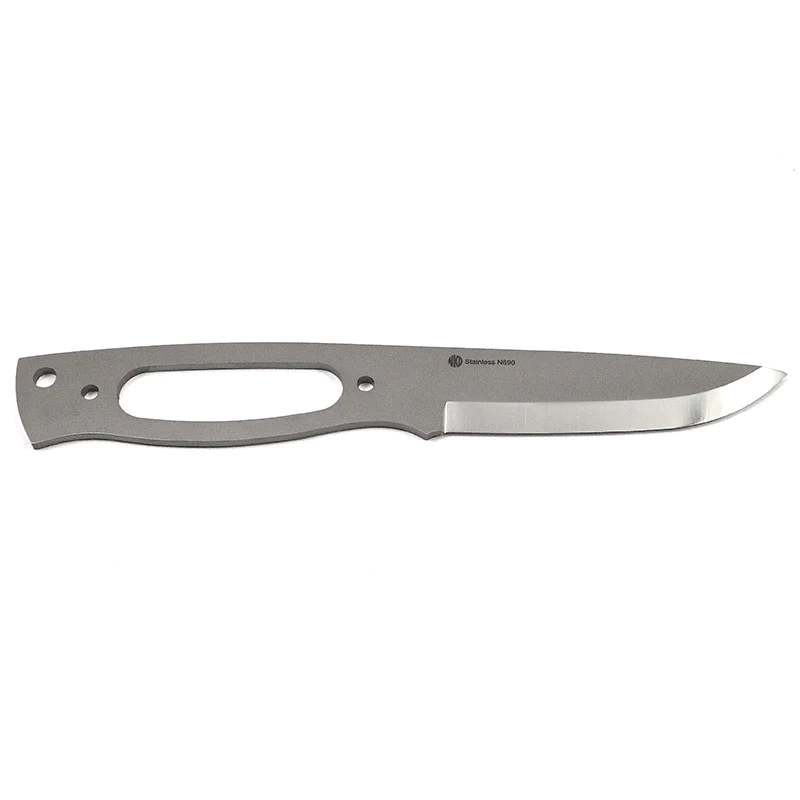
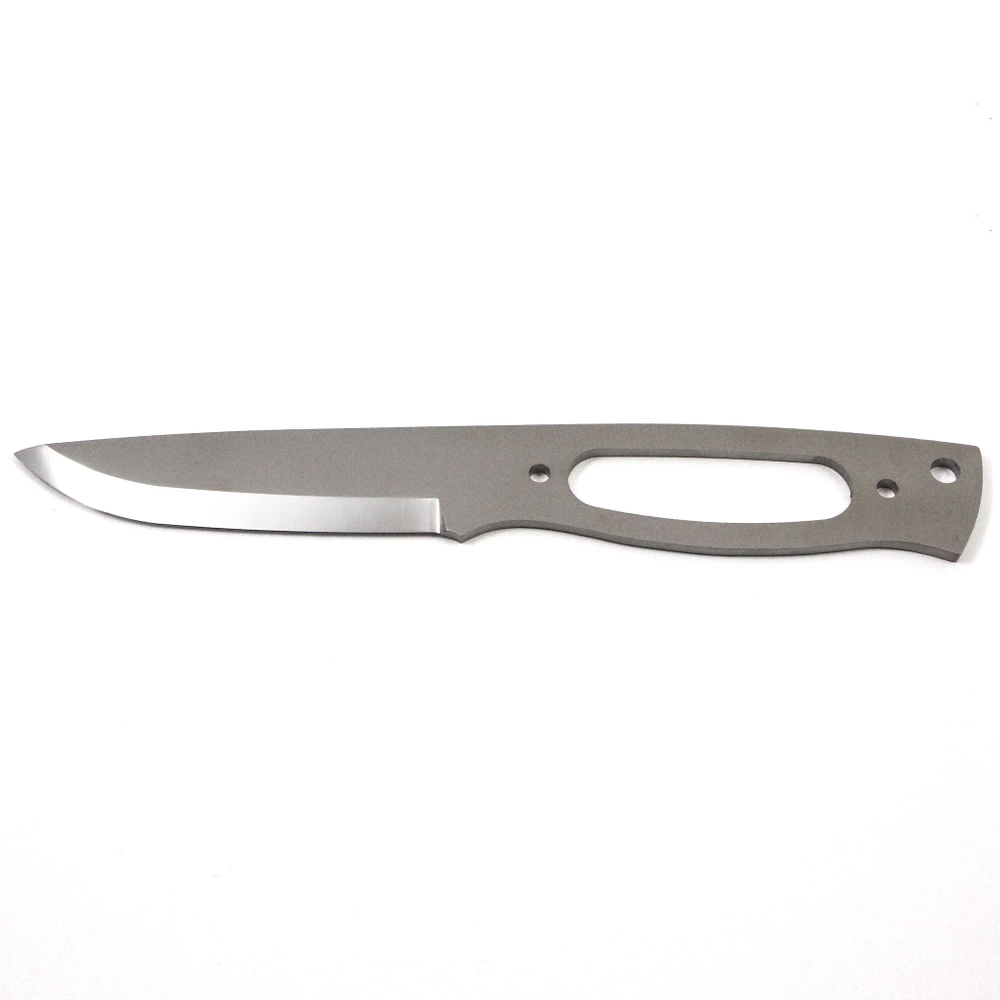
Nordic Knife Design - Forester 100 S head (N690)

Product code
18768
Nordic Knife Design - Forester 100 S head (N690)
68,00 €
incl. VAT / pcs.
Express checkout 1-Click(without registration)
14 days for free returns
Free or cheap returns
Free delivery from 46,10 €
Buy and get: 68 pts.

Nordic Knife Design - Forester 100 S head (N690)

After leaving as co-owner of Bris, Dennis Holmbacka founded Nordic Knife Design. Founded by a knife industry veteran as a designer and trader, NKD may be a new name, but behind it lies decades of experience. NKD knives are often minimalist in detail and have an elegant design, features that many would call traditional Scandinavian design. Form follows function. NKD uses the best factories used by many other top brands. With these blades, there is no question of quality issues.

The blades of NKD's Forester 100 knives are very efficient and well suited for bushcraft. Measuring 3.8 mm thick endure a lot of abuse. The grind is scandi zero, so there is no secondary bevel, just a very sharp edge that few factory blades achieve.

High-alloy N690 by Böhler-Uddeholm is a very popular steel in the medium and high end of edc, hunting and bushcraft knives. This steel is often called one of the best conventional steels produced by Böhler-Uddeholm. Being rich in both carbon and chromium, N690 can adopt good hardness without losing corrosion resistance. Addition of molybdenum, manganese and cobalt increases strength and durability. All in all, a well-balanced steel with no obvious flaws.

The head has mounting holes to fit Corby type screws (4.6 mm) or ordinary metal rods, and a hole for a cable tube.

Technical data:

  • Blade length: 100mm
  • Blade width: 26mm
  • Blade thickness: 3.8 mm
  • Overall length: 215 mm
  • Steel: stainless steel N690
  • Holes: 2x4.6mm 1x6.4mm

What it takes to make a full-tang knife handle?

To make a full-tang knife handle, you will need several materials and tools. Here are some examples:

  1. Handle material - the most common are wood covers or micarta. Sometimes plastic covers are also used.
  2. Tools for machining, e.g. saw, drill, drills, belt grinder or files for wood and metal, vise.
  3. Glue - for attaching the handle to the tang of the knife. Most often it is a two-component adhesive (epoxy resin).
  4. Material for decoration - you can use different materials to enhance the appearance of the handle (the space between the tang and the handle). The most common is the use of fiber spacers.
  5. Screws, pins or tubes - to attach the handle to the tango. The most common are Corby screws, metal rods and tubes made of brass or stainless steel.
  6. Sandpaper - to finish the handle. Paper of various gradations from 80 to 1200, depending on how smooth a handle surface is desired.
  7. Handle oil - to protect the handle and make it durable and aesthetically pleasing. It can be linseed oil, olive oil, beeswax or ready mixtures of natural oils dedicated to the maintenance of handles.
Entity responsible for this product in the EU
Nordic Knife Design Ab OyMore
Address: Högbackavägen 20Postal code: 68600City: JAKOBSTAD PIETARSAARICountry: FinlandE-mail: info@nordicknife.com
Symbol
18768
Steel
Stainless N690
Blade type
Full Tang
Length
100 mm
Hardness
58-59 HRC
Grind
Scandi
Security information
KnivesMore

List of knife safety warnings based on requirements
Regulation (EU) 2023/988 on general product safety
(GPSR):
* Risk of injury: Use the knife carefully and always hold it by the handle. The blade is
very sharp and can cause serious cuts. Don't try to catch a falling
knife.
* Safe storage: the knife should be stored in a safe
place, out of reach of children and unauthorized persons. Use a blade guard if
is available.
* Use as intended: Do not use the knife for purposes for which it is not
intended, for example, for opening cans or loosening screws. This can lead to
knife damage or injury.
* Caution when cleaning: Use caution when cleaning the knife,
to avoid cuts. Do not use aggressive cleaning agents that can
damage the blade.
* Blade maintenance: Sharpen the blades regularly to keep them in good condition. Blunt
knives are more dangerous than sharp ones because they require more force, which
increases the risk of slipping.
* Transporting the knife: When transporting the knife, make sure the blade is secured,
for example, by using a vagina or sheath. This prevents accidental injuries.
* Keep your knife clean: Clean the knife regularly to remove any food debris
or other contaminants. This ensures safe and hygienic use.
* Do not modify the knife: Do not try to modify the knife or repair it yourself,
if you don't have the right skills. This can lead to damage to the knife
or injuries.
* Warning for children: knives are intended for adults only. Do not allow
children to use knives without supervision.
* Disposal: Dispose of used or damaged knives in a safe manner to
prevent accidental cuts.

This product is for adults only, who have knowledge and experience in handling sharp cutting tools. Improper use of the knife can lead to serious injury. The blade of the knife is very sharp and can quickly cut through skin and tissues; so always be very careful when slicing and do not bring your hand close to the cutting edge. To avoid slipping of the knife, it is recommended to cut on a stable and non-slip surface and avoid excessive pressure, which can cause uncontrolled movement of the blade.

Be aware that leaving a knife on the edge of a table, countertop or in easy-to-reach places, especially for children, is a danger. The knife should always be properly secured after finishing work, preferably by putting it down on a stable surface or storing it in specially designed blocks, sheaths or on magnetic strips. Never use a knife for tasks for which it is not intended, such as opening cans or using it as a lever, as this risks both damage to the tool and dangerous accidents.

Blunt blades pose an increased risk of injury because they require more force and tend to slip off the material being cut. Therefore, care should be taken to sharpen the knife regularly to maintain optimal sharpness. It is also necessary to clean and dry the tool regularly to prevent corrosion and bacterial growth. It is recommended to periodically inspect the condition of the handle and blade to detect any cracks, chipping or loosening. If damage is found, the knife should be immediately repaired or replaced with a new copy.

When using the knife, focus solely on the task at hand, avoid talking on the phone or watching TV while slicing, and make sure your work area is well-lit. You are reminded that in some countries or regions there are laws restricting the possession and carrying of knives. Before buying or using a knife, it's a good idea to make sure that using it in your location is allowed under the current law.

Adherence to the above rules will enable safe and efficient use of the knife, minimizing the risk of accidents and ensuring the long life of the tool.

Do you need help? Do you have any questions? Ask a question and we'll respond promptly, publishing the most interesting questions and answers for others.
Call us +48 22 247 28 30
Ask a question
If this description is not sufficient, please send us a question to this product. We will reply as soon as possible. Data is processed in accordance with the privacy policy. By submitting data, you accept privacy policy provisions.
Write your opinion
Your opinion:
5/5
Add your own product photo:
Real customers reviews
4.9 / 5.0 123 reviews
pixel