


Böker Solingen - Kihon Bifold 42 MagnaCut knife

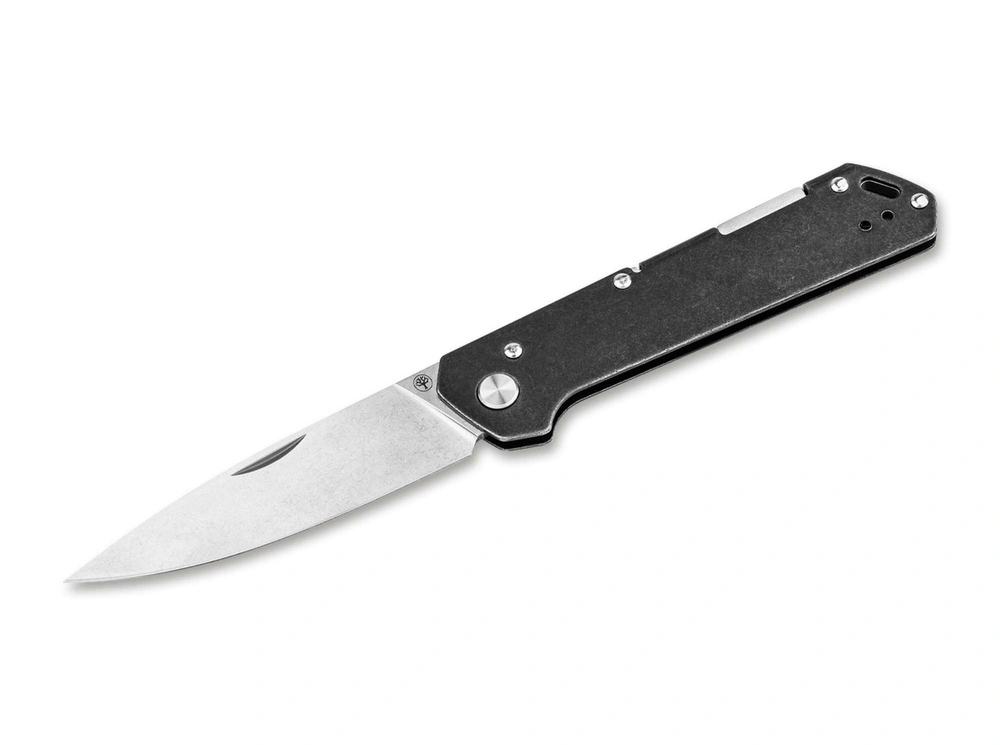
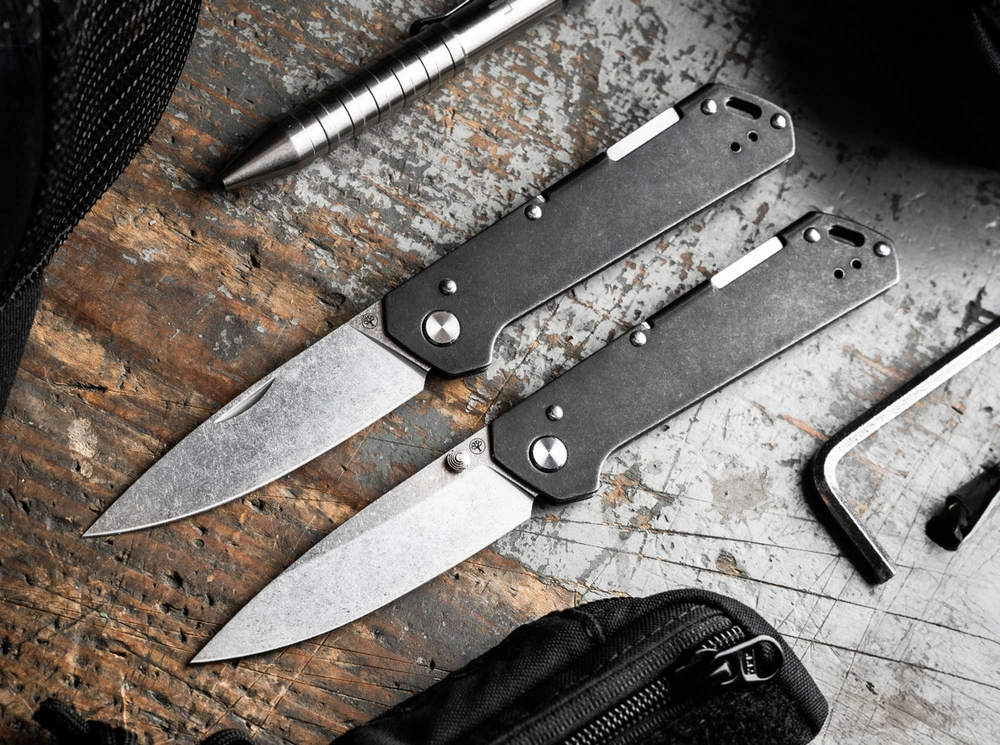
Go-getter, flat, stunner - in the lightweight Boker Kihon Bifold, American driving designer Lucas Burnley expresses the idea of Japanese Kihon in form and philosophy. The term ten basic fundamentals and basic techniques of Japanese martial arts, the peaceful spiritual interpretation of which can be obtained in a solid one-handed knife.
Praktisch features and design elements intended as ideal performance for all cutting tasks. Drop-point blade made of CPM MagnaCut powder metallurgy (61-62 HRC) and stonewash finish indicating at an exceptional cut. Maintain focus, is rigorous, required and applied - specifications that are not applied to requirements!
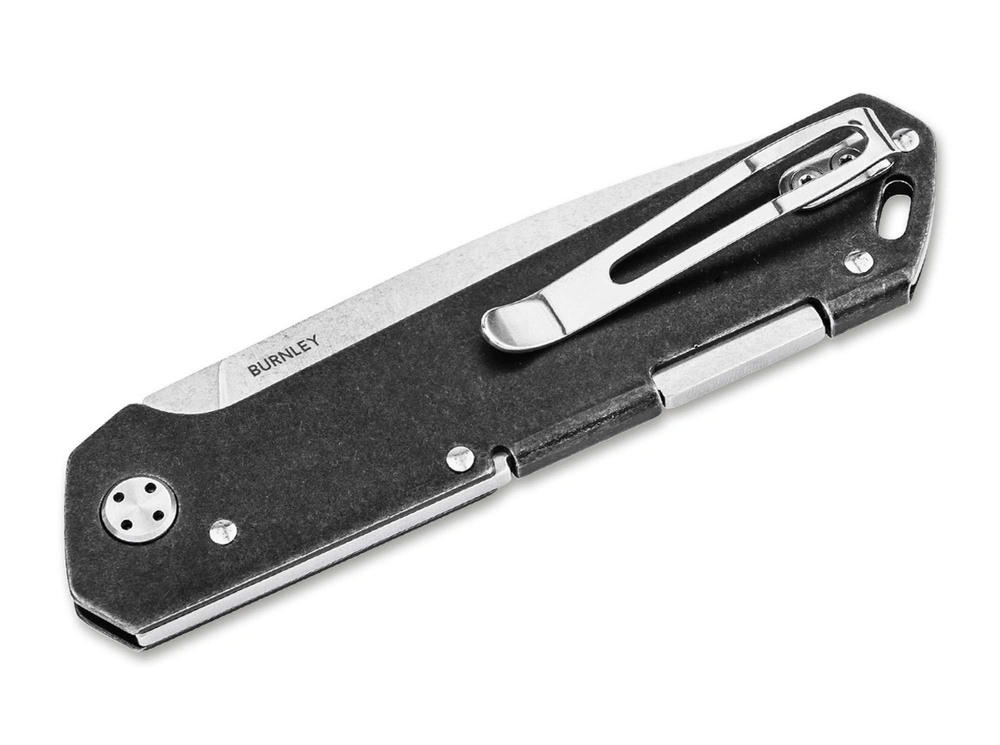
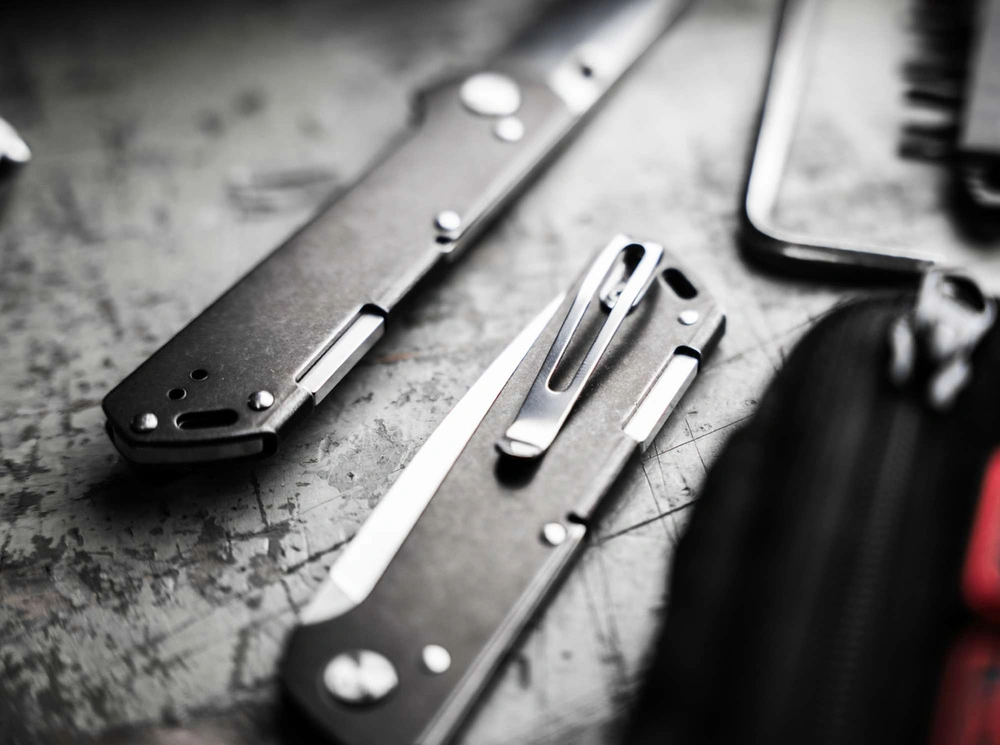
Handling concept with latch pin and backlock for opening and unlocking the blade is handled; iconic black stonewashed steel handle, assembled from a single piece. Available with lanyard hole, interchangeable tip-up clip and large utility.
| Wedge steel: | CPM MagnaCut |
| Manufacturer: | Boker |
| Overall length (mm): | 189 mm |
| Wedge length (mm): | 81 mm |
| Thickness of the wedge: | 2.6 mm |
| Weight: | 77 g |
| Blocking: | Backlock |
| Handle: | Stainless steel |
| Vagina: | Not |
| Clip: | yes |
| Designer: | Lucas Burnley |
List of knife safety warnings based on requirements
Regulation (EU) 2023/988 on general product safety
(GPSR):
* Risk of injury: Use the knife carefully and always hold it by the handle. The blade is
very sharp and can cause serious cuts. Don't try to catch a falling
knife.
* Safe storage: the knife should be stored in a safe
place, out of reach of children and unauthorized persons. Use a blade guard if
is available.
* Use as intended: Do not use the knife for purposes for which it is not
intended, for example, for opening cans or loosening screws. This can lead to
knife damage or injury.
* Caution when cleaning: Use caution when cleaning the knife,
to avoid cuts. Do not use aggressive cleaning agents that can
damage the blade.
* Blade maintenance: Sharpen the blades regularly to keep them in good condition. Blunt
knives are more dangerous than sharp ones because they require more force, which
increases the risk of slipping.
* Transporting the knife: When transporting the knife, make sure the blade is secured,
for example, by using a vagina or sheath. This prevents accidental injuries.
* Keep your knife clean: Clean the knife regularly to remove any food debris
or other contaminants. This ensures safe and hygienic use.
* Do not modify the knife: Do not try to modify the knife or repair it yourself,
if you don't have the right skills. This can lead to damage to the knife
or injuries.
* Warning for children: knives are intended for adults only. Do not allow
children to use knives without supervision.
* Disposal: Dispose of used or damaged knives in a safe manner to
prevent accidental cuts.
This product is for adults only, who have knowledge and experience in handling sharp cutting tools. Improper use of the knife can lead to serious injury. The blade of the knife is very sharp and can quickly cut through skin and tissues; so always be very careful when slicing and do not bring your hand close to the cutting edge. To avoid slipping of the knife, it is recommended to cut on a stable and non-slip surface and avoid excessive pressure, which can cause uncontrolled movement of the blade.
Be aware that leaving a knife on the edge of a table, countertop or in easy-to-reach places, especially for children, is a danger. The knife should always be properly secured after finishing work, preferably by putting it down on a stable surface or storing it in specially designed blocks, sheaths or on magnetic strips. Never use a knife for tasks for which it is not intended, such as opening cans or using it as a lever, as this risks both damage to the tool and dangerous accidents.
Blunt blades pose an increased risk of injury because they require more force and tend to slip off the material being cut. Therefore, care should be taken to sharpen the knife regularly to maintain optimal sharpness. It is also necessary to clean and dry the tool regularly to prevent corrosion and bacterial growth. It is recommended to periodically inspect the condition of the handle and blade to detect any cracks, chipping or loosening. If damage is found, the knife should be immediately repaired or replaced with a new copy.
When using the knife, focus solely on the task at hand, avoid talking on the phone or watching TV while slicing, and make sure your work area is well-lit. You are reminded that in some countries or regions there are laws restricting the possession and carrying of knives. Before buying or using a knife, it's a good idea to make sure that using it in your location is allowed under the current law.
Adherence to the above rules will enable safe and efficient use of the knife, minimizing the risk of accidents and ensuring the long life of the tool.